

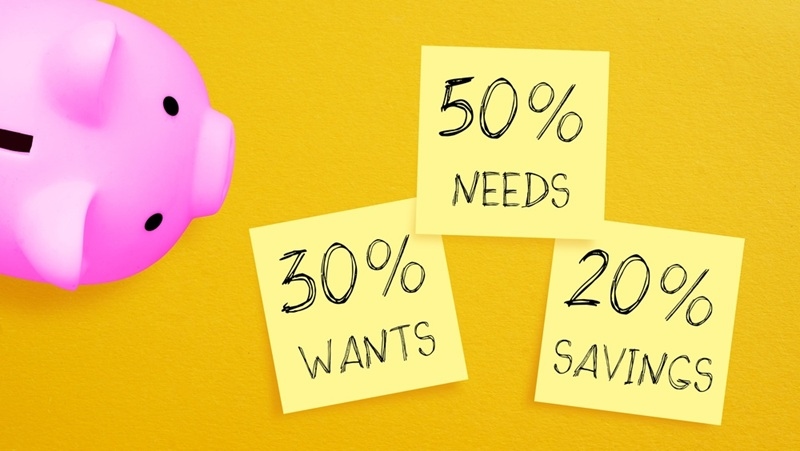
People might wonder how to budget money in their everyday lives. It is where the 50/30/20 budget rule comes into play. It is a way to manage your money. This rule is simple. It divides your money into three parts: 50 percent for what you need, 30 percent for what you want, and 20 percent for saving and paying off debt. The 50/30/20 budget rule makes it easy for everyone to make a budget.
At homeofadvice.com, we explain what each category includes. We give you step-by-step personal budgeting tips to help you make a budget. We offer money management strategies that actually work. We can help you turn your spending into a way to build wealth automatically.
The 50/30/20 budget rule divides your take-home pay into three parts. Elizabeth Warren's book made this rule popular. You spend 50 percent on the things you need, like rent and food; 30 percent on the things you want, like eating out or hobbies; and 20 percent on saving and paying off debt. The 50/30/20 budget rule helps you find a balance between living and building wealth.
The system functions as it thinks and processes like a person. If you never do fun stuff, you might feel down. Saving 20 percent of your money makes your future safe. For example, if you earn $5,000 every month. If one spends $2,500 on things, you need $1,500 on things you want and $1,000 on savings. One can use apps, like EveryDollar or Google Sheets, to keep track of their money. It helps to see where your money is going. You can make changes to spend less on things you want. Tracking your money is a habit. It makes you secure.
A clear breakdown of the 50/30/20 budgeting rule for clarity below:
A person doesn’t need much for survival. It needs some bare minimum things to survive, and these things cost money. This includes things like rent, utilities, and food. You also need to make debt payments and pay for car insurance and health insurance. These are the things you must pay for. It also includes childcare and student loans. The 50/30/20 budget rule balances what you need with what you want.
If you live where the cost of living is high, you might spend more than 50 percent on the things you need. Still try to cut back on things you don't need. The average household spends 52 percent of its income on necessities. Monthly budget plan your meals. One can save money by shopping for groceries at affordable stores like Aldi or Walmart.
One should set aside a separate fund for luxuries or splurges to make their life more enjoyable. Top things which can be included in this category are eating at restaurants, entertainment subscriptions, gym memberships, holidays, and comfort. Split the budget for all the desired things. Attempt to spend 10 percent on dining and entertainment, 10 percent on shopping and travel, and the remaining 10 percent on subscriptions. This breakdown of the 50/30/20 budget rule helps a family make better spending decisions without burning a hole in their pocket.
Check your credit card statement to see where your money is going. Instead of buying a latte every day, use that money for something meaningful, like concert tickets. The 50/30/20 budget rule balances the things you want.
In this final section, the money division of your budget is for saving and paying off debt. Make use of the money to build an emergency fund, pay off debt, or invest in the near future. Automate any savings by setting up a transfer from your checking account to your savings account. The 50/30/20 budget rule helps you build wealth over time.
If you don't have debt, use this money to build wealth. Even saving a bit each month adds up over time. Use apps like 401(k) or Roth IRA to help save and invest.
The 50/30/20 budgeting rule is nothing fancy; it is basic, and here is how the 50/30/20 rule can be implemented:
Review your budget every week for the month and then every month after. You might find you're spending more than you thought. That's okay. Use apps to visualize your budget. Make changes. The 50/30/20 budget rule helps individuals manage their own finances.
If you live somewhere really expensive, you will probably have to change how you spend your money. The cost of living is high in these places, so you have to think about how you can make your budget work with the cost of living. You might need to spend more on what you need and less on what you want. If you have a lot of debt, you might need to spend more on paying off debt. The 50/30/20 budget rule is flexible. Students might need to adjust their budget because they don't make money. They should still try to save some money each month.
The 50/30/20 rule is an easy way to manage your money. It splits the money you get after taxes into three parts. The budget ensures one has money for the things they really need, like a place to live and food to survive. At the same time, it helps one build savings and set aside money for fun things. It is what the 50/30/20 rule suggests: you can enjoy your life and still have it working. The 50/30/20 budget rule helps in managing money. It divides the money into needs, wants, and savings. Utilize this rule to create a budget that works and helps build wealth. Homeofadvice.com can also help anyone seeking financial and budgeting tips and advice.
Yes, anyone can use the 50/30/20 budget rule. Even if you don't make a lot of money, you can still divide your money into three parts. You might need to make adjustments. It's still possible to save money and build wealth. The 50/30/20 budget rule is for everyone.
There are many apps, like YNAB, PocketGuard, and Goodbudget, that can really help an individual track their budget. These apps provide clear visibility into where the money is going and help make necessary adjustments. These budgeting apps make it easier to follow the 50/30/20 budget rule, helping you prioritize your spending.
One should use their income for calculations. The net income is the amount of money they have after taxes. Use that income to do the 50/30/20 calculations. It shows how much money you have. You can find your income on your paystub. The 50/30/20 budget rule is based on your income. The 50/30/20 budget rule is a way to manage your money and build wealth over time. The 50/30/20 budget rule is simple and easy to use.
This content was created by AI