

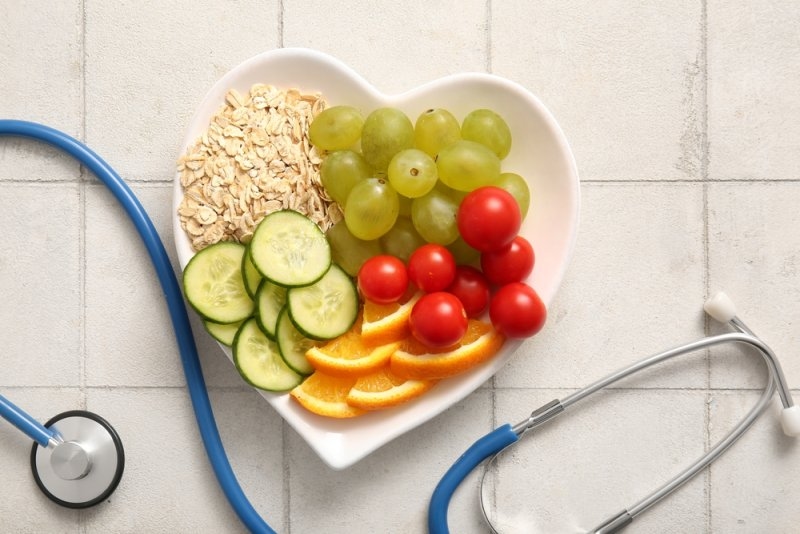
Small tweaks can help you snack heart-healthy on a regular basis. Does it mean giving up all your favorite foods? No. A heart-healthy diet can include favorite treats and foods in moderation.
The reality is that a healthy diet involves filling your plate each day with as many vegetables, fruits, whole grains, beans, fish, nuts, and healthier fats as possible, and minimizing excess salt, added sugar, saturated fats, and highly processed foods.
Wondering “what is a good heart-healthy diet?” This diet is a pattern of eating that stresses the importance of nutrient-rich foods and limits foods that are high in saturated fat, sodium, added sugar, and highly processed foods. It isn't so much about one "perfect" food for a healthy heart as it is the overall balance of your meals.
What makes for a good diet for heart health is different for everyone, but you can look at both Mediterranean-style and DASH-style eating patterns for guidance. Both dietary styles incorporate vegetables, fruits, whole grains, beans, nuts, fish, lean protein, and healthier fats.
The Mediterranean diet is a way of eating that's based on the traditional cuisine of countries bordering the Mediterranean Sea. It mainly includes a plant-based diet with plenty of vegetables, fruits, whole grains, beans, lentils, nuts, seeds, fish, and olive oil. It may include moderate amounts of poultry, eggs, and dairy and restricts foods that are heavily processed.
Instead of keeping track of calories, this plan emphasizes eating a diversity of minimally processed foods. All vegetables can be fried in olive oil, served as a salad or stir-fry, and eaten raw. Whole grains, beans, fish, fruit, and a few nuts or seeds can help you get the fiber, healthy fats, vitamins, and minerals you need for a heart-healthy diet.
The Dietary Approaches to Stop Hypertension (DASH) diet was designed to help treat or prevent high blood pressure through a healthy lifestyle and dietary choices. It encourages eating plenty of vegetables, fruit, and whole grains; beans, nuts, and seeds; fat-free or low-fat dairy foods; and fish, poultry, and other lean meats.
Reduce sodium intake. One of the best things you can do with the DASH plan is cut down on sodium. DASH also recommends avoiding foods that are high in saturated fat, added sugar, and salt. Many foods are high in sodium-particularly processed foods, and some canned or bottled drinks and snacks-so eating more fresh foods and reading nutrition labels can help.
Find heart-healthy eating in the produce section. Vegetables, fruits, and whole grains can be the heart of your meals. These foods give you fiber, vitamins, minerals, and other nutrients, and they help fill you up.
Leafy greens, broccoli, tomatoes, carrots, peppers, berries, apples, and oranges. Read the label to find fresh, frozen, or low-sodium canned vegetables and fruit that work for you and your heart-healthy eating pattern.
Whole grains. Grains such as oats, brown rice, quinoa, barley, whole-wheat bread, and whole-grain pasta have more fiber than refined grains. When you swap whole grains in place of refined grains, you will eat heart-healthy foods more often.
Beans, lentils, chickpeas, fish, nuts, and seeds offer protein and additional nutrition. Fish, including salmon, sardines, and mackerel, supply omega-3 fatty acids and are an example of good food for the best heart-healthy diet.
You don't have to be a master chef to eat heart-healthy foods. Just include healthy foods in your meals often.
These options simplify making heart-healthy food choices and don't impose many restrictions on what you can eat. The best heart-healthy diet is one that offers variety, is enjoyable, and is sustainable over time.
Watch Out for High-Sodium, Saturated Fat, & Refined Foods Eating for Your Heart Health. No, you do not need to cut these foods entirely, but trying not to eat these foods as often will make your meals healthier.
Swap them out for healthy heart foods to score a tangible upgrade in your eating pattern.
It's easier than you think to eat a heart-healthy meal plan. Your breakfast options can be oatmeal with berries and unsalted nuts, or whole grain toast with an egg and vegetables. Lunch ideas include a bean and vegetable bowl, a whole grain wrap with protein, or a fish or bean salad.
What you eat for dinner: Make sure to have a great mix of veggies, a whole grain, and a lean source of protein for dinner. Roasted vegetables, brown rice, and salmon can all be part of a heart-healthy meal plan. Fresh fruit, unsweetened plain yogurt, or nuts with no added salt also may be healthy snack options.
You don't need to overhaul your entire diet in a day. Make small changes like replacing refined bread with whole grain, replacing butter with plant-based oils on one or two meals, or doubling up on your veggies.
Meal planning can also help with heart-healthy eating. Store fruit, wash and cut vegetables in advance, prepare whole grains in quantities and store them, and always have some protein choices on hand so they are ready. These shopping and prep tips make it easier to eat healthy food.
If you want to know what you can eat for heart health and want a practical diet, then what you eat should be rich in vegetables, fruits, whole grains, beans, fish, nuts, seeds, lean protein, and healthy fats, and low in sodium, added sugar, saturated fat, and highly processed foods.
So, what should be in a heart-healthy diet? You should choose a plan you'll be able to follow and also one that suits your food preferences. A heart-healthy eating plan doesn't have to be too strict. If you have a health condition or special dietary needs, check with your doctor or a registered dietitian.
A heart-healthy way of living is about forming new habits for the long haul—not avoiding foods. While there's no specific "heart-healthy" diet, you can eat plenty of veggies, fruits, beans, fish, nuts, whole grains, and healthy fats and limit salt, sugar, saturated fat, and ultra-processed foods.
Once you've adopted a heart-healthy diet plan every day, try to stick to a heart-healthy eating plan, too.
Many healthy individuals can include eggs as part of a healthy, balanced diet. They can be included on the same plate with vegetables and whole grains, which would be a more balanced meal than routinely including them with processed meat and foods high in saturated fat.
According to the Institute of Medicine (IOM), potatoes are a nutritious source of carbohydrates, potassium, and fiber. Add some vegetables and lean protein to make potatoes part of a healthy, balanced, heart-healthy diet. Avoid fried potatoes and salty potato dishes.
Although peanut butter is a good source of protein and unsaturated fat, it is also energy-dense due to its high-fat content. Choose peanut butters that don't contain excess sugar or salt, and eat all foods in moderation.
On very rare occasions, a sweet treat can be a part of a healthy, balanced diet. Moderation is the key. Portion control and eating more whole fruit than other sugars can make sure you don't overdo it on added sugar.
This content was created by AI