

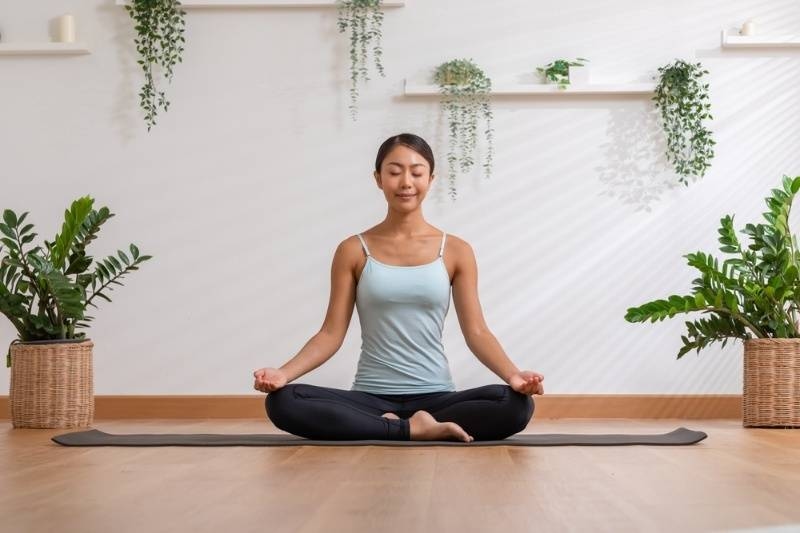
Meditation used to sound like something only very calm people did. People with floor cushions. Soft voices. Probably a plant in the corner. Now it feels a lot more normal, and honestly, that makes sense. Major health sources say meditation and mindfulness may help with stress, anxiety, depression symptoms, sleep, and even some physical health concerns like blood pressure and pain. The National Center for Complementary and Integrative Health says meditation and mindfulness practices may help improve quality of life, while Mayo Clinic notes that meditation can help restore calm and inner peace.
That does not mean meditation is magic. It is not a cure-all, and it is not the right fit for every person. The NHS says mindfulness can help with stress, anxiety, and depression for some people, but it also notes that it may not help everyone and can make some people feel worse. That kind of honesty is useful. It keeps the conversation grounded.
The first reason many people try meditation is simple: stress. Too many thoughts, too much tension, too much noise in the head. This is where meditation benefits tend to show up fastest. Mayo Clinic says meditation can wipe away the day’s stress and bring a sense of calm, and NCCIH says research has looked at meditation for stress, anxiety, and depression symptoms.
That tracks with real life too. When someone sits still for even a few minutes and stops chasing every thought, the body often starts calming down with it. Breathing slows. Shoulders drop. The mind does not necessarily become empty, but it can become less chaotic. Not perfect. Just less loud. And sometimes that is plenty.
A big part of the benefits of meditation has to do with attention. Meditation asks a person to notice what is happening without getting dragged around by it every second. Thoughts still show up. So do worries. But there is a little more space around them.
Mayo Clinic says meditation may help with focus, relaxation, mood, stress, and sleep, and NHS guidance says mindfulness can help people pay more attention to the present moment and improve mental well-being. That matters because a lot of mental strain comes from living three hours ahead in the mind or replaying the same thing from yesterday again and again. Meditation gently interrupts that loop.
This is one reason meditation for mental health gets so much attention. It can support emotional regulation, self-awareness, and a calmer response to stress. Not by making life easier overnight, but by helping people react to it a bit more steadily.
Sleep is another big reason people start meditating. When the mind does not know how to slow down, bedtime becomes a weird battleground. The body is tired, but the brain suddenly wants to review every awkward thing from the last seven years.
NCCIH says meditation may help with insomnia and sleep quality, and Mayo Clinic’s mindfulness guidance says regular mindfulness practice can improve sleep by helping the mind and body relax at bedtime. The NHS also says meditation can help bodies and minds move into a relaxed state for better sleep.
That is where daily meditation benefits can become noticeable. A short evening practice, even five or ten minutes, may help a person settle down more smoothly. Not every night, of course. Some nights the brain still behaves like an overcaffeinated squirrel. But over time, the routine itself can help.
People sometimes talk about meditation like it only lives in the mind. But the body is part of the story too. Relaxation practices are tied to slower breathing, lower blood pressure, and a reduced heart rate, according to NCCIH. Mayo Clinic also notes that relaxation techniques can slow heart rate, lower blood pressure, improve sleep quality, and ease muscle tension.
So when people mention meditation for physical health, they are not always reaching. There is a real body response involved. Stress is physical. Tension is physical. Sleep disruption is physical. If meditation helps calm those systems, the body notices.
NCCIH also says some research suggests meditation may reduce blood pressure and may help with pain and insomnia, though evidence strength varies by condition. That balance matters. Helpful does not mean guaranteed. Still, the body side of meditation is very real.
There are many forms of meditation, but mindfulness gets the most attention for a reason. It is relatively accessible. A person does not need special equipment, advanced philosophy, or a dramatic lifestyle change. They mostly need a few quiet minutes and a willingness to keep coming back when the mind wanders.
The mindfulness meditation benefits most often mentioned by major sources include reduced stress, better emotional awareness, and potential help with anxiety, depression symptoms, pain, and sleep. Mayo Clinic’s 2026 guidance says mindfulness can help with stress, anxiety, pain, depression, sleep quality, and high blood pressure.
That does not mean mindfulness is the only good option. Breath meditation, guided meditation, body scans, loving-kindness meditation, and walking meditation can all be useful too. The main thing is consistency, not chasing the fanciest method.
Know More: Best Baby Sleep Sack Materials for Safe & Comfortable Nights
This part matters because people make meditation harder than it needs to be. They think they are failing if their thoughts keep wandering. Or if they fidget. Or if they do not feel instantly peaceful. But wandering is normal. Fidgeting is normal. Feeling restless is very normal.
That is why the benefits of meditation tend to come more from repetition than perfection. A person sits, notices a distraction, comes back, and does that again. And again. That process is the practice. Not some flawless, serene performance.
The NHS beginner guidance says all forms of meditation can help lower stress levels over time, and that by releasing physical tension, meditation can help ease anxiety, stress, low mood and even support deeper sleep. “Over time” is the key phrase there. Not instantly. Over time.
A lot of people assume they need long sessions to get results, but shorter, regular practice often works better for real life. Five minutes that actually happen most days can do more than a 40-minute session that happens once every three weeks after a motivational burst.
This is where daily meditation benefits become easier to understand. The practice becomes part of the nervous system’s routine. A little reset in the morning. A little decompression at lunch. A little quiet before bed. Small, steady, realistic.
It also makes meditation for mental health feel more practical. Instead of waiting until stress becomes overwhelming, a person builds a habit that supports calmer thinking earlier. Not dramatic. Just smart.
This is worth saying clearly. Meditation can be beneficial, but it is not universally helpful in the same way for every person. The NHS says mindfulness can help many people, but it also says it may not be right for everyone and can make some people feel worse. NCCIH similarly notes that meditation is generally considered safe for healthy people, but people with physical limitations or mental health conditions may want guidance.
So yes, there are real meditation benefits and real mindfulness meditation benefits, but there should also be room for common sense. If a practice increases distress, it may need to be adjusted, guided by a professional, or replaced with another approach that feels safer and more supportive.
Read More: Top Smart Home Upgrades 2026 That Build Real Property Value
In the end, meditation stays popular because it meets people where they are. Tired, distracted, anxious, wired, restless, overstimulated. Very human. It gives them a simple way to pause and recalibrate.
The evidence from sources like NCCIH, Mayo Clinic, and NHS does not say meditation solves everything. It does say it may help with stress, anxiety, depression symptoms, sleep, pain, and some physical markers like blood pressure for some people. That is already a lot.
And that is probably the best way to look at it. Not as a miracle. As a tool. One that can support both mind and body when used consistently and realistically.
Some people notice calm or stress relief after a short session, while longer-term changes in mood, sleep, or focus usually come with regular practice over time. Mayo Clinic and NHS both describe meditation as something that helps through ongoing use.
It may. NCCIH says some research suggests meditation may help with blood pressure, pain, and insomnia, and Mayo Clinic notes relaxation practices can support lower heart rate, lower blood pressure, and better sleep.
Not always. The NHS says mindfulness can help many people, but it is not right for everyone and may make some people feel worse. People with mental health concerns may want support when starting.
This content was created by AI